
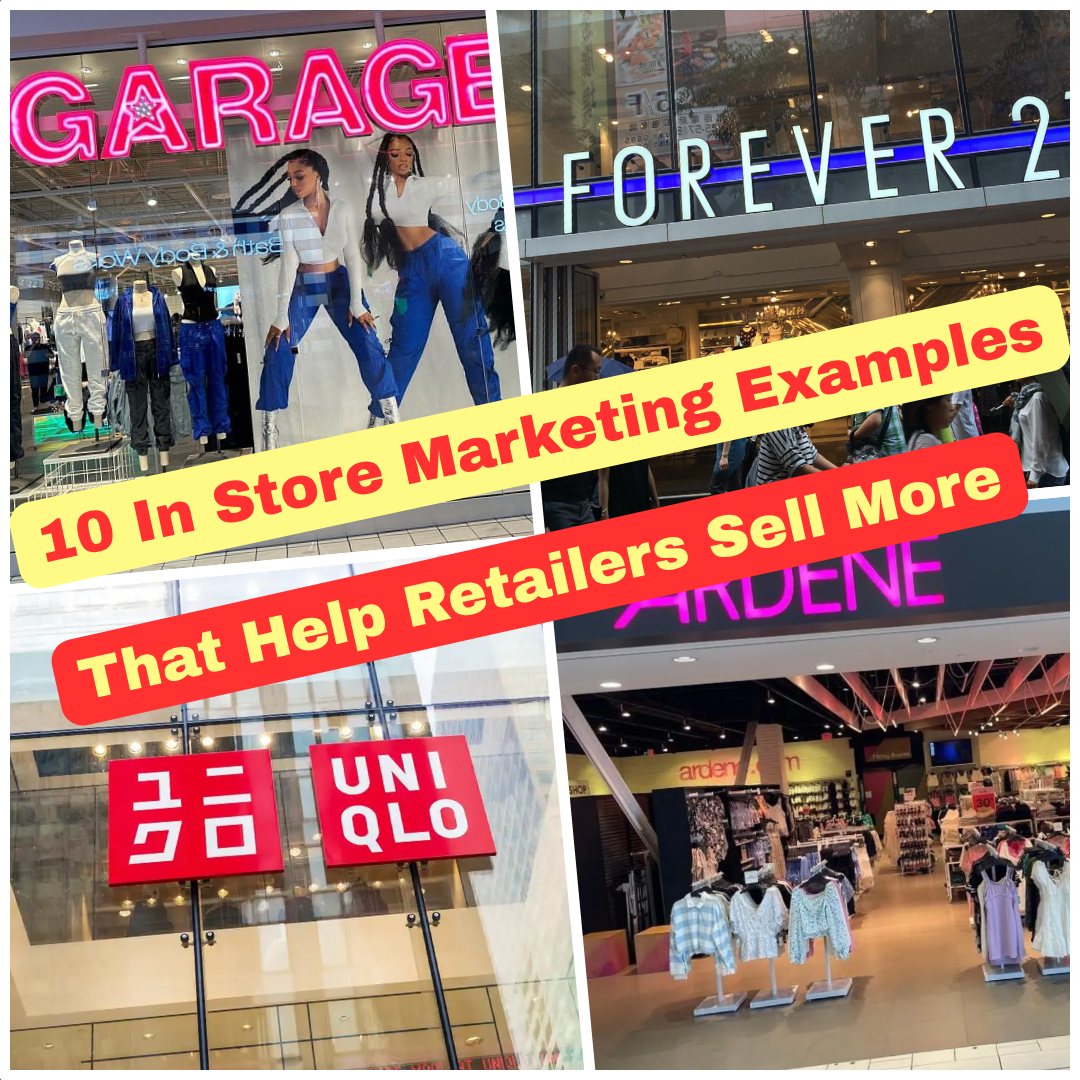
In today’s constantly changing retail environment, in-store marketing continues to be one of the most effective ways to improve the customer experience, drive sales, and strengthen brand loyalty. When used well, in-store strategies can capture attention, create memorable shopping moments, and encourage customers to make a purchase. From striking visual displays to interactive experiences, these techniques can help turn casual browsers into repeat customers. In this article, we’ll look at 10 in-store marketing examples that can help retailers attract more foot traffic, increase conversions, and stand out in a competitive market.
What is In store marketing
In-store marketing is the practice of promoting products and brands directly to customers at the point of sale, where buying decisions are often made. It includes tactics such as product displays, in-store promotions, digital signage, interactive kiosks, and personalized support from sales staff. More than simple advertising, it is designed to influence shoppers within a carefully planned environment that benefits the retailer. Elements such as store layout, lighting, scent, decoration, product presentation, and customer service all work together to shape perception, highlight quality and authenticity, and encourage purchases. When done well, in-store marketing not only drives impulse buys and conversions but also strengthens brand identity and improves the overall customer experience.
Examples of in-store marketing tactics include:
- Eye-Catching Graphics
- On-shelf displays
- FAQ Tags
- Instant Redeemable Coupons (IRCs)
- Promotional Display locations
WHY In Store Marketing Matters
As long as in-person shopping remains part of consumer habits, brands will continue to have powerful opportunities to engage customers and guide them toward purchase. According to KPMG in Canada, 6 out of 10 of Canadians still mostly shop at brick-and-mortar stores, which highlights the lasting importance of physical retail. Although online shopping continues to grow because of its convenience, the in-store experience still carries a unique appeal. It gives customers the chance to interact with products directly, experience the atmosphere of a brand, and make purchase decisions in a more immediate and meaningful way.
Below are 10 in store marketing examples that show how retailers can turn foot traffic into stronger sales.
1. Window displays that stop people from walking past
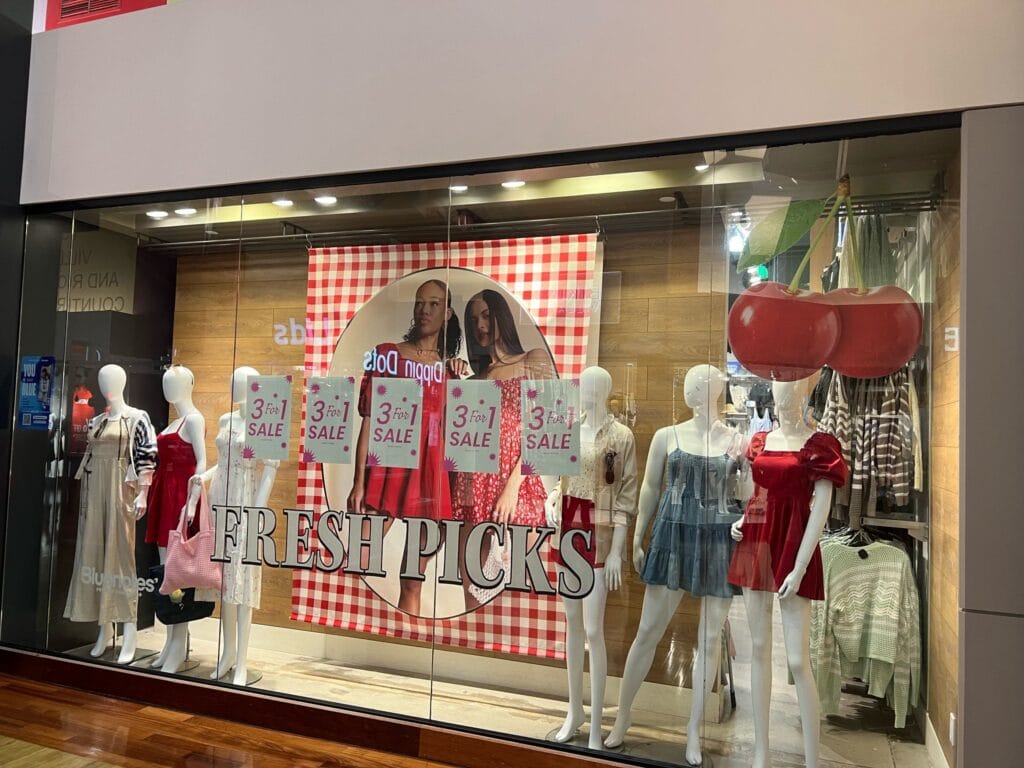
Window displays are a powerful way to attract the attention of people walking or driving past your store and invite them inside. They allow retailers to highlight popular products while bringing the brand to life in a creative and engaging way. When designing a storefront display, it is helpful to choose a theme that feels relevant to shoppers, such as a seasonal moment or holiday. A strong combination of colours, lighting, and product placement at different heights and depths can make the display more eye-catching and appealing.
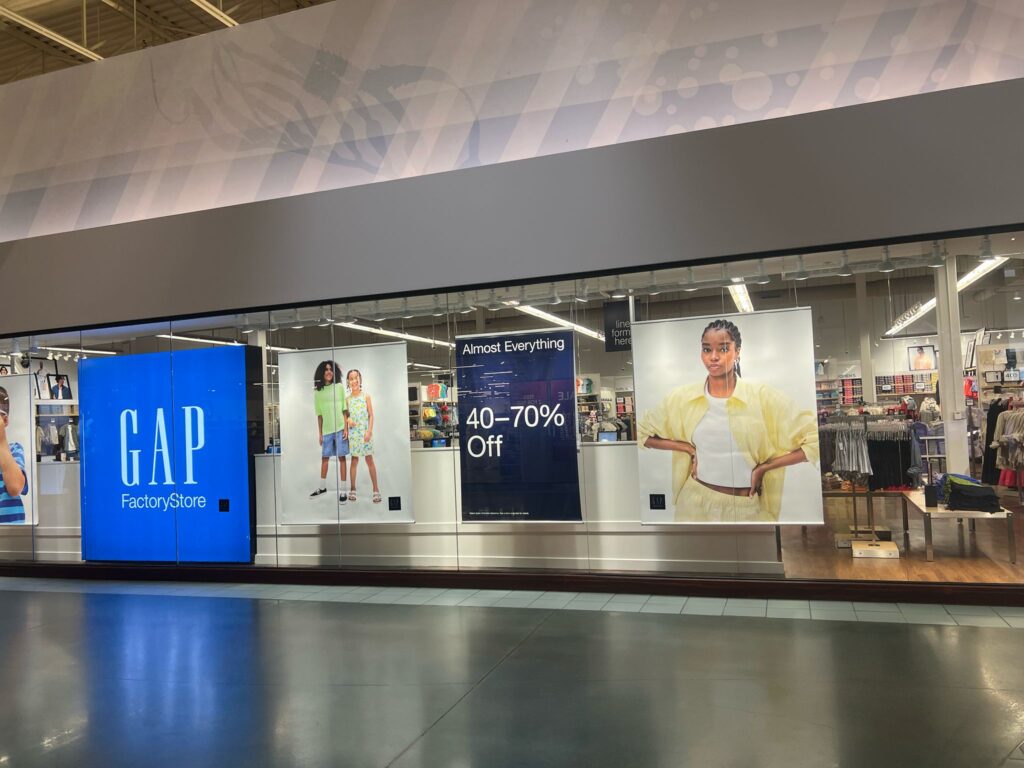
2. Entrance displays that highlight featured products
Remeber, you only have a few moments to capture attention as shoppers pass by or step into your store, so your entrance should make an immediate impact.
Take advantage of the full sightline from the entrance to help direct customers through the space. Eye-catching holiday window displays can draw people inside, while festive wayfinding elements can encourage them to keep exploring once they enter.
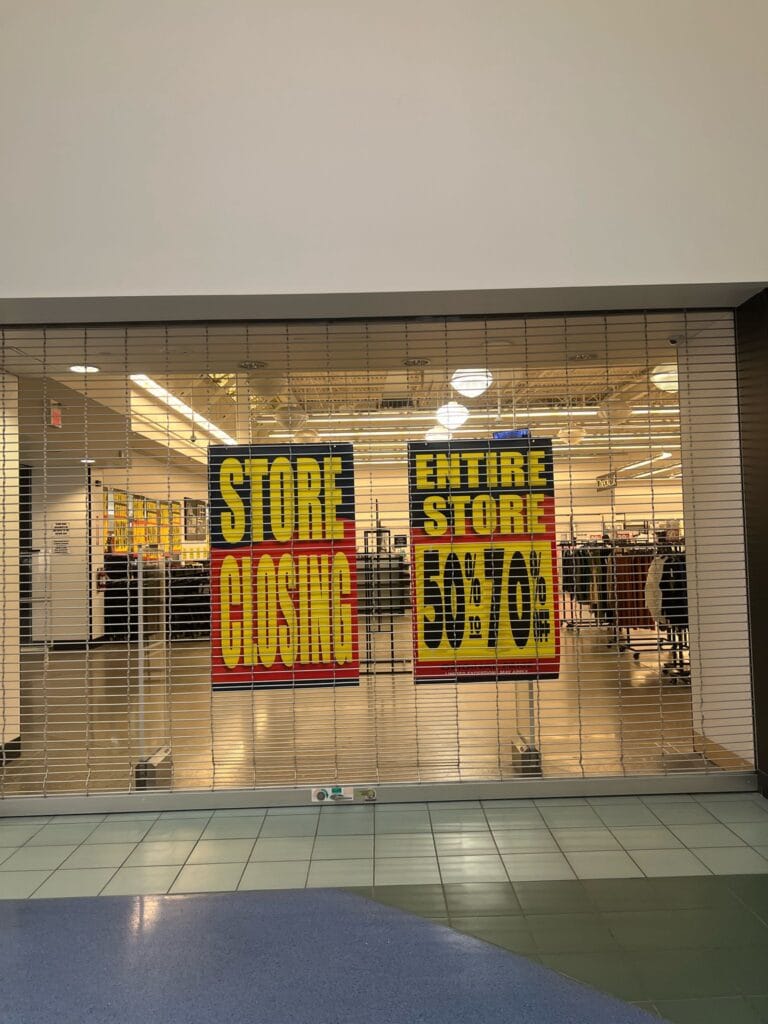
3. End cap displays that increase product visibility
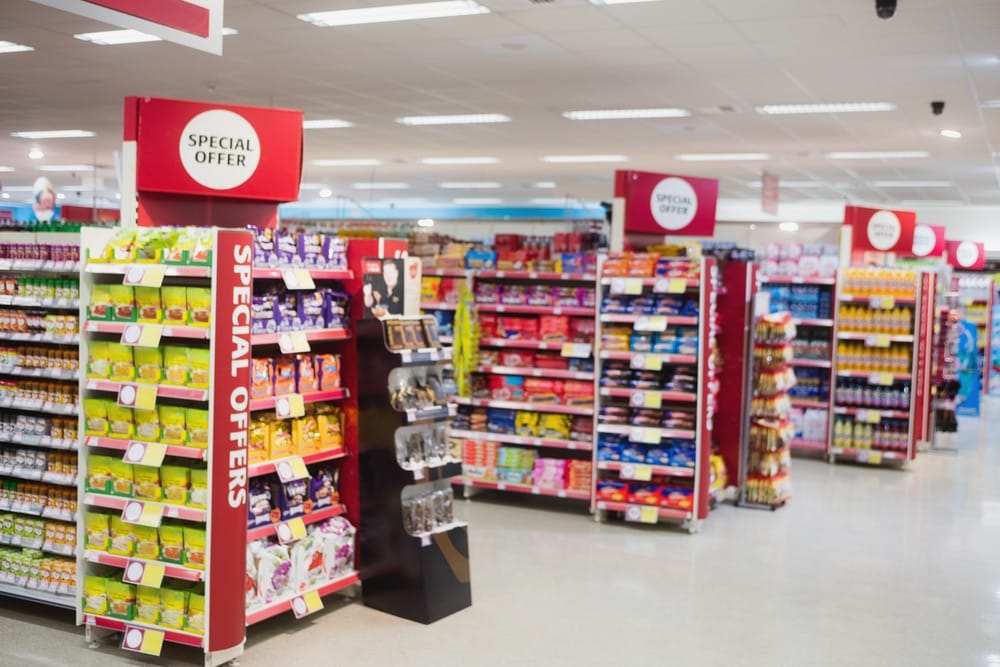
An end cap display is a product presentation placed at the end of a store aisle. Often referred to as a feature display, it is commonly used to showcase merchandise for a limited-time promotion or seasonal campaign.
The purpose of an end cap is to increase visibility and improve sell-through. In retail, products placed on end caps often perform better and sell more quickly than items positioned further down the aisle on regular shelving.
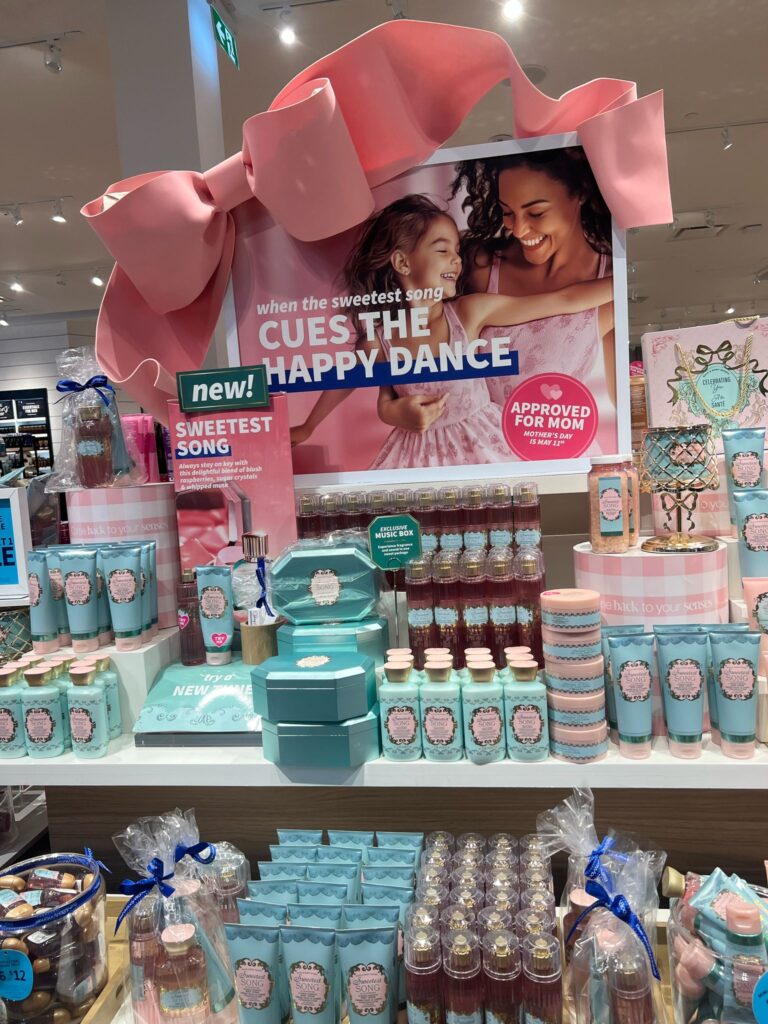
4. Cross merchandising that encourages add-on purchases
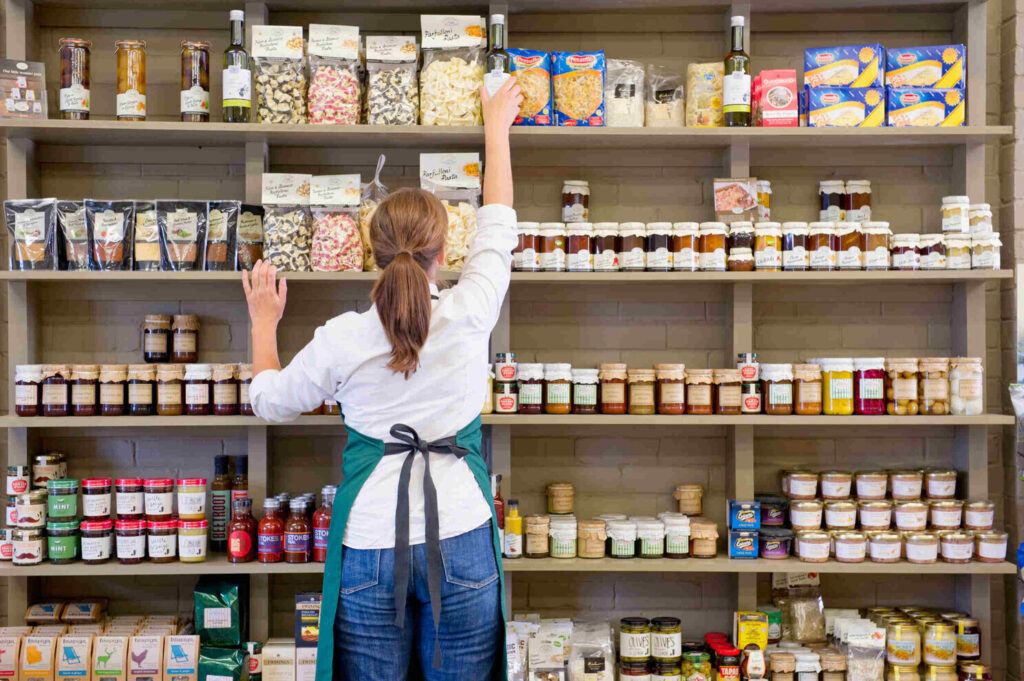
Which products are suitable for cross-merchandising? The first step is to select products that will be placed together. They should logically complement each other and be in demand. For example, in grocery stores, this could be pasta and sauces, while in electronics stores, it could be devices and their accessories. It is important to analyse customer preferences and trends to determine which combinations will be the most successful.
5. Checkout displays that drive impulse buying
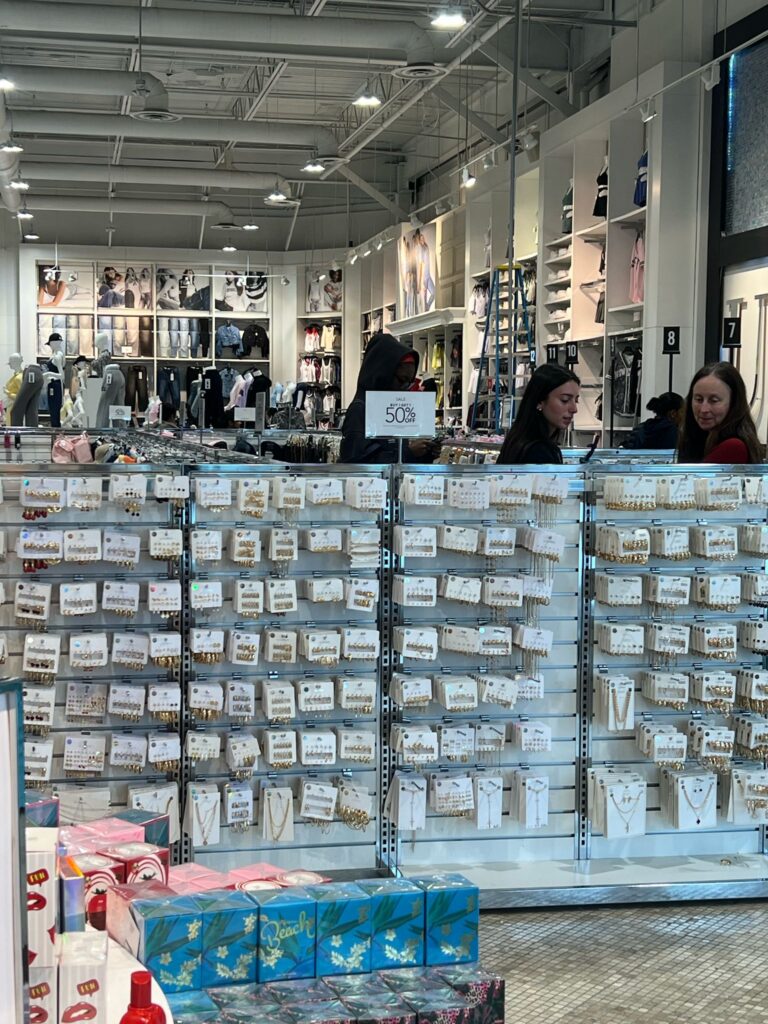
Place products near the checkout to take advantage of the customer’s existing buying mindset. Lower-priced impulse items work especially well in this area, as shoppers are more likely to add small purchases without much hesitation. Sale items can also be positioned directly at checkout to increase visibility and drive last-minute purchases.
6. In store signage that makes decisions easier
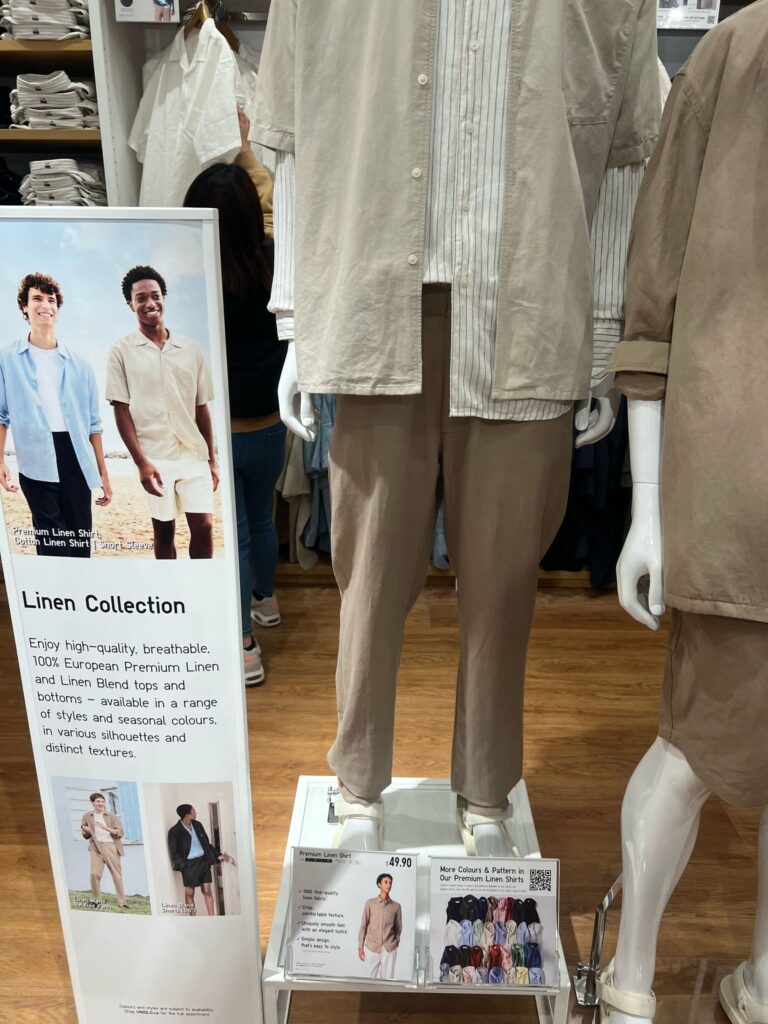
Good signage reduces confusion and helps customers notice promotions, categories, benefits, or pricing.
7. Seasonal campaigns that create urgency
Retailers use holidays, weather changes, back-to-school periods, or major shopping seasons to refresh displays and align products with timely customer needs. Promotional signage, whether placed in the window, at the entrance, or beside a product, helps draw attention to offers, create a sense of urgency, and prompt faster purchase decisions. It communicates what is new, what is on promotion, and why customers should act now.
8. Interactive product experiences that build confidence
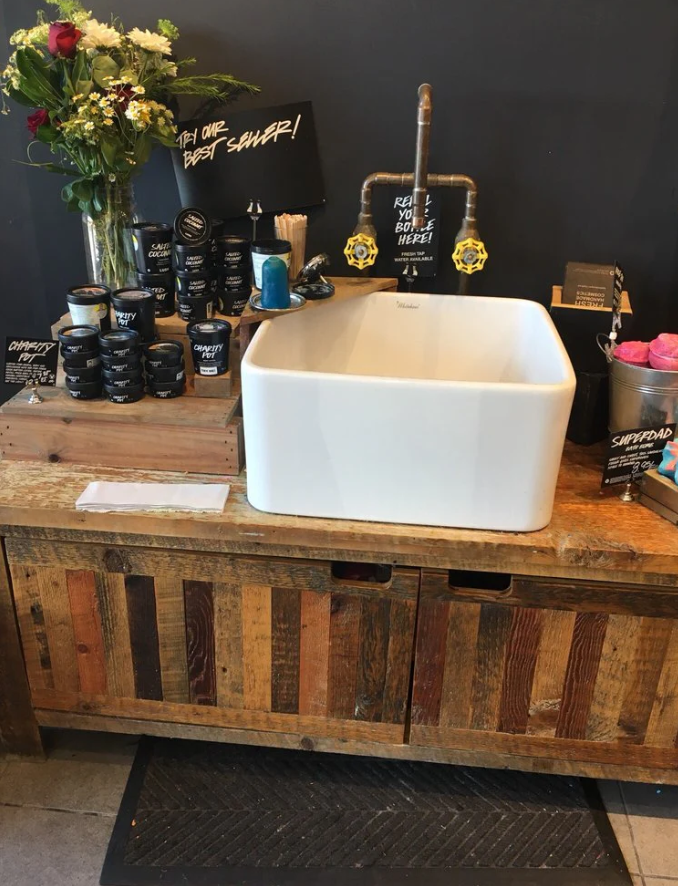
Customers are often more likely to make a purchase when they can interact with a product before committing. The ability to touch, test, try on, sample, or experience an item in person gives shoppers a stronger sense of confidence in what they are buying. It helps answer questions that packaging or online product descriptions often cannot, such as how something feels, fits, functions, or compares to other options.
This is one of the biggest advantages physical retail has over online shopping. While ecommerce can offer convenience, an in-store experience allows customers to engage with products directly and make more informed decisions in real time. Whether it is trying on clothing, testing skincare, handling electronics, or seeing a furniture piece up close, these interactions reduce uncertainty and make the path to purchase feel easier.
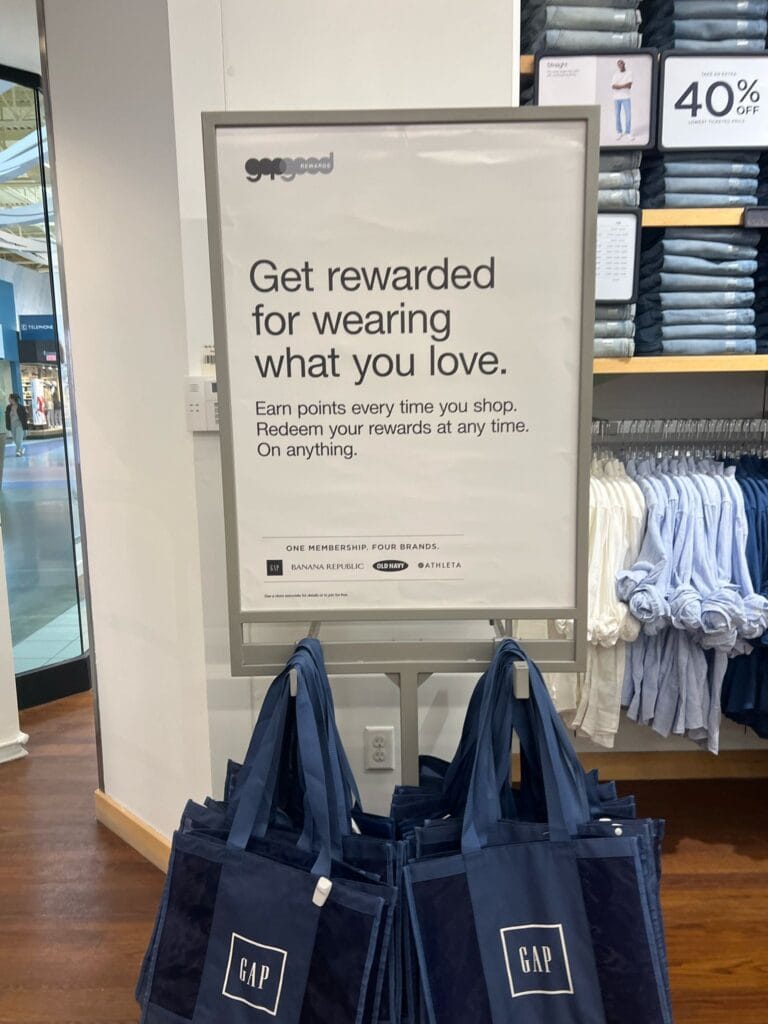
9. Loyalty messaging that encourages repeat visits
Customer loyalty is not built through a single purchase. In retail, it develops over time through consistent merchandising, strong in-store execution, and thoughtful shopping experiences that leave a lasting impression. The way a brand presents itself in-store signals reliability, quality, and attention to detail, and those perceptions often stay with customers well beyond their visit.
Building Emotional Connections Through Displays
Shoppers remember feelings, not just products. Retail merchandising that tells a story or creates an engaging journey encourages positive emotional responses. Theming, seasonal displays, and curated product groupings help shoppers visualise how a product fits into their lives, creating personal connections that foster loyalty and encourage customers to choose your brand over competitors.
Emotional engagement taps into consumer psychology, making shoppers feel understood and valued. When customers experience memorable interactions—whether through immersive displays or helpful brand ambassadors—they develop an emotional response that goes beyond rational purchase decisions. This emotional bond often translates into repeat purchases and advocacy, which are more valuable than one-time sales.
10. Store layout that guides customer flow
Store layout is one of the most powerful forms of in-store marketing because it shapes how customers move through the space and what they notice along the way. The placement of products, the flow of aisles, the use of focal points, and the organization of categories all influence exposure, discovery, and purchasing behavior.
A thoughtful layout can encourage shoppers to spend more time in the store, explore more areas, and come across products they may not have planned to buy.
How Much Should I Budget for In-Store Marketing?
There’s no magic number here, but a practical starting point is to allocate around 5 to 10% of your total revenue. New stores often need to invest more at the beginning to build visibility and attract customers, while more established retailers may focus their budget on targeted seasonal campaigns.
What matters most is treating in-store marketing as an investment rather than simply another operating cost.
You also do not need to spend heavily from the start. Begin with cost-effective strategies that can make a noticeable difference. Small improvements to visual merchandising or additional staff training, for example, can increase sales without requiring a large budget. Track the results of those early efforts, then use the returns to support larger marketing initiatives over time.
One response to “10 In Store Marketing Examples That Help Retailers Sell More”
Great blog post Hailey! Very informative with all the tips given and a very interesting read. Please keep posting more articles!