Helping Your Event Stand Out in a Busy Season
As the weather gets warmer, the event calendar starts filling up quickly. Outdoor festivals, food events, concerts, markets, cultural celebrations, workshops, and community gatherings all begin competing for people’s attention.
For event organizers, this is exciting, but it also means that simply announcing an event is not enough. To promote events and festivals effectively, organizers need a clear strategy that helps people understand what the event is, why they should care, and why they should make time for it. Whether you are promoting a festival, a brand activation, a workshop, or a local community event, your marketing should create awareness, build excitement, and guide people toward taking action.
With major events like TIFF, CNE and FIFA World Cup are already in the books for 2026, the competition for audience attention is only getting stronger. This guide explores practical ways to promote events and festivals, from building a strong event message to using social media, email marketing, partnerships, local promotion, and post-event content.
Start With a Landing Page
Building an event landing page is usually the top option for organizers to hype up their event and convert as many potential attendees as possible in advance. It gets visitors to take action: Registering, RSVP or subscribing to news.In most cases, organizers create a landing page wanting the page to do the following things:
1. introduce all the basic info about the coming event
2. collect signups or information of the potential customers
3. encourage visitors to buy a ticket, if there are any
4. persuade visitors to share the event via social media
Make sure the content matches your target audience, and clearly explain the benefits and values that visitors can get from your events so to achieve your goal.
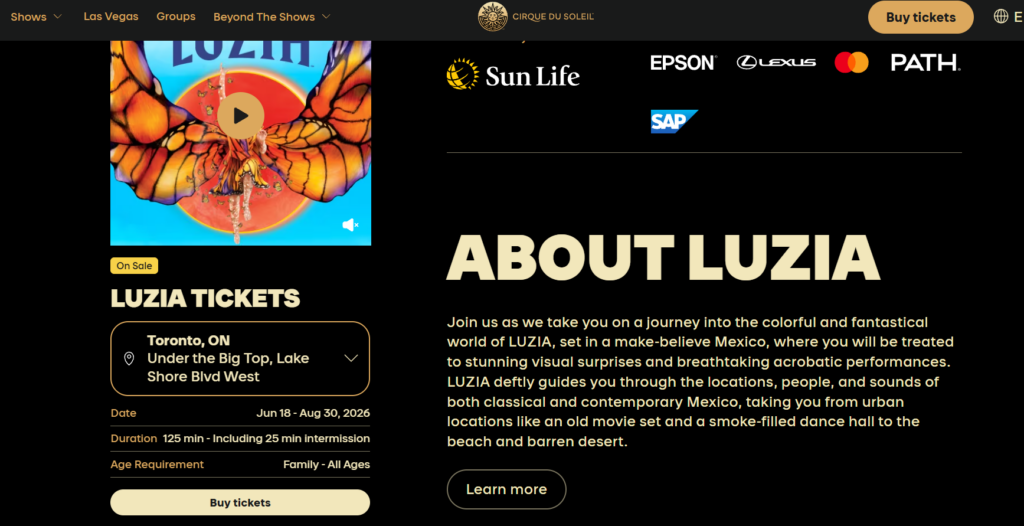
Here is an event landing page example from Cirque du Soleil:
Clear offer: LUZIA tickets
Location: Toronto, ON, Under the Big Top, Lake Shore Blvd West
Dates: Jun 18 to Aug 30, 2026
Main CTA: “Buy tickets”
Supporting content: video preview, sponsors, show description, duration, age requirement
Purpose: get visitors interested and push them toward buying tickets
Use social media before, during, and after the event
Social media should be used before, during, and after the event, not only as a one-time announcement.
Before the event, organizers can use social media to build awareness and excitement through countdown posts, short videos, behind-the-scenes content, speaker or performer highlights, vendor introductions, and ticket reminders. The goal is to help people understand the event experience and give them a reason to attend.
During the event, social media becomes a real-time communication tool. Organizers can share live updates, event photos, short clips, audience reactions, schedule reminders, and important information such as entrance details or program changes. This helps attendees stay informed and encourages people who are not there to follow along, engage with the content, and feel interested in attending future events.
After the event, social media helps extend the value of the experience. Recap videos, photo albums, thank-you posts, attendee testimonials, sponsor mentions, and highlight reels can keep the event visible even after it ends. This content also becomes useful material for future promotions, sponsorship proposals, and next year’s marketing campaign.
Prepare a Social Media Kit for Your Partners
Make it easy for partners, speakers, sponsors, and vendors to help promote your event. Prepare a simple social media kit that includes ready-to-use graphics, sample captions, event details, hashtags, posting guidelines, and any important links. This helps everyone share accurate information while keeping the event branding consistent across different channels.
When partners promote your event to their own audiences, your event can reach more people and gain stronger visibility.Once your event goals are clear, your audience is defined, and your branding is ready, the next step is to put your social media marketing strategy into action.
Use email marketing to convert interested audiences
One of the most effective marketing tools is a great mailing list. This works particularly well if you already have a list of attendees from previous events. If not, start building one right away by adding a way for people to sign up to your email updates on your Facebook event page and your website.
Remember, email is a direct line of communication to your guests, and that’s the key to any marketing strategy!People will need an incentive to sign up to your email announcements. So you can opt for things like, the first 100 people to sign up will get a discount on the event tickets, or people who sign up by email can be entered for a chance to win a backstage pass.
Other great ideas on how to use email to market your event and get more people to participate include:
1. “Bring a friend” discounts.
2. Get three or more people to sign up for your event, and they get a special group rate.
3. Announce exclusive deals on your tickets through email such as your guest list, early-bird specials, last-chance tickets, and any sales you’re running.
4. Email is also a great way to keep people updated about any ongoing contests and giveaways you’re running on your social media platforms
5. You can email your list with exclusive previews of your speakers, performers, and activities.
6. Gain feedback through email using quizzes or surveys
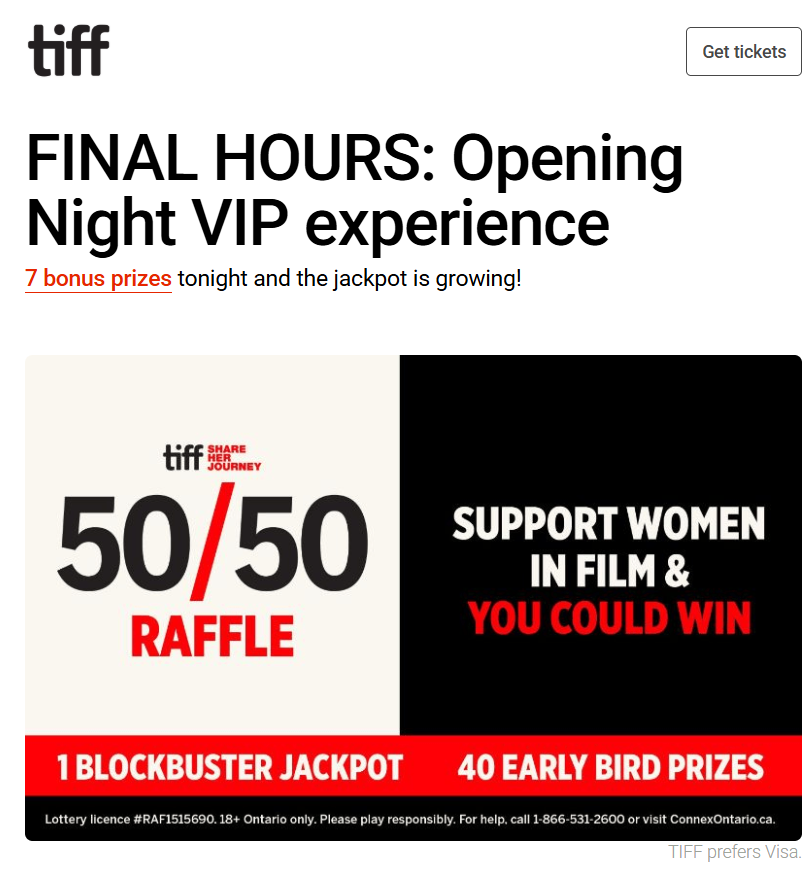
Use local promotion
While digital marketing helps organizers reach a wider audience, local promotion helps make the event visible in the places where potential attendees already spend time. Tap into neighborhood groups, influencers, and community ambassadors to build trust and excitement and spread the word in ways that feel authentic and personal.
Even micro-influencers—those with smaller but highly engaged followings—can make a big impact, especially in niche or association-based communities. Invite board members, speakers, or respected professionals to share your event on their platforms.
he key is to make the information easy to understand quickly. A poster or flyer should clearly show the event name, date, location, main attraction, website, and call to action. People should be able to understand what the event is and how to attend within a few seconds. Strong local promotion does not only spread awareness, it also helps create a sense of community around the event before it begins.
So, you have it all planned: the perfect cultural festival. You have the entertainment, activities, food and fun lined up, and now you are ready to go.
To stand out and reinforce your festival positioning, focus on:
1. Landging pages
2. Social media strategies
3. Local connection to spread your words
If you have any questions about how to launch your festival campaign, feel free to reach out to me. I will be happy to help!